


Calf Augmentation in turkey
Request A Free Consultation Or Callback
Fill out the form below, and we will be in touch shortly. Our representatives will answer you only in English.
What is Calf Augmentation and Who is it Suitable For?
?
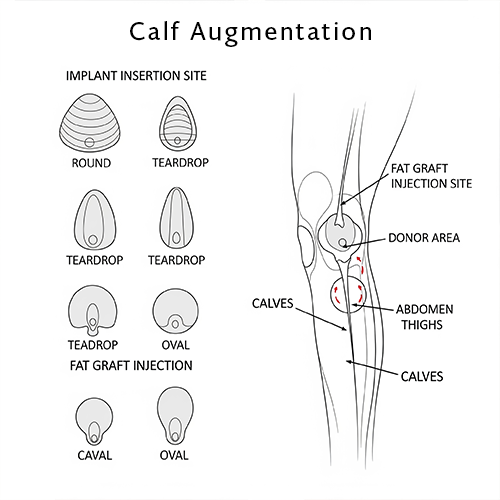
Calf augmentation is a surgical procedure performed to increase the volume and contour of the calves. This procedure is generally carried out using two main methods:
Calf Implants: Special silicone-based implants are placed between or beneath the calf muscles to provide a permanent increase in volume. This method is ideal for those seeking a defined and muscular appearance.
Fat Injection (Fat Transfer): This involves taking excess fat from another part of the body, processing it through special procedures, and injecting it into the calf area. This method is suitable for individuals who desire a more natural increase in volume and also wish to get rid of fat from another area of their body.
Calf augmentation surgery is suitable for:
Those with naturally thin calves.
Individuals with an asymmetrical calf structure.
People who have lost calf volume due to trauma or illness.
Those who cannot sufficiently develop their calf muscles despite sports like bodybuilding.
Other Benefits
Correction of Asymmetry: Calf asymmetries, whether congenital or post-traumatic, can be successfully corrected with the operation. This provides a more symmetrical and balanced appearance between the legs.
Solution for Limited Muscle Development: For some individuals, calf muscles may not develop sufficiently despite regular exercise and muscle-building efforts. Calf augmentation is an effective way to achieve the desired volume and contour in such cases.
Permanent Results: The results obtained from operations using calf implants are permanent. While some fat may be absorbed in fat injection, the remaining fat cells provide a long-lasting improvement.
Calf augmentation surgery offers not only a physical transformation but also a comprehensive package of benefits that enhance an individual’s overall well-being and happiness. Are you ready to discover what this operation can bring to achieve your desired aesthetic and confident look?
Benefits of Calf Augmentation
Calf augmentation surgery offers numerous benefits that positively affect not only physical appearance but also an individual’s self-confidence and quality of life:
Significant Improvement in Aesthetic Appearance
Fuller and More Proportionate Legs: The primary benefit of the operation is to increase the volume of the calves, giving the legs a fuller, more muscular, and aesthetic appearance. This ensures a more balanced look between the upper and lower body.
Correction of Body Proportions: Thin or asymmetrical calves can disrupt overall body proportions. Calf augmentation helps the legs become more proportionate with the rest of the body, improving the overall silhouette.
Increased Clothing Options: Individuals who are self-conscious about the appearance of their calves often avoid certain clothes (e.g., shorts, skirts, tight trousers). With increased self-confidence after the operation, clothing choices expand, and individuals can comfortably wear whatever they desire.
Psychological and Social Benefits
Increased Self-Confidence: Being satisfied with one’s body image significantly boosts an individual’s self-confidence. Calf augmentation helps people feel better in social settings and daily life.
Improved Quality of Life: Addressing aesthetic concerns improves an individual’s overall quality of life. This can manifest in various ways, such as greater willingness to participate in social activities, exercise, or adopt a more active lifestyle.
Psychological Relief: For individuals who have long been bothered by the appearance of their calves, this can lead to stress or anxiety. The aesthetic improvement achieved after the operation provides significant relief by freeing them from such psychological burdens.
Frequently Asked Questions
You will not feel pain during the surgery as you will be under anesthesia. Mild to moderate pain may be experienced after the surgery, but this can be controlled with pain medication.
High-quality silicone implants are generally long-lasting. However, implant replacement may be necessary if any problems occur (e.g., capsular contracture or implant damage).
Some of the injected fat may be reabsorbed by the body over time. However, the remaining fat cells are permanent. Multiple sessions may be required to achieve the desired outcome.
It is usually recommended to wear compression garments for about 2-4 weeks after surgery to reduce swelling and support healing.
Yes, you can start walking slowly shortly after the surgery. However, it is important to avoid overexertion and prolonged standing.
Why Choose Türkiye for Calf Augmentation?
Türkiye stands out in health tourism with the advantages it offers for calf augmentation surgery:
Expert Surgeons: Türkiye boasts many experienced plastic surgeons who are internationally recognized and apply current techniques in calf augmentation.
Modern Facilities: Surgeries are performed in hygienic and comfortable hospitals equipped with state-of-the-art technology.
Affordable Costs: Compared to services of similar quality, calf augmentation costs in Türkiye are quite economical. This allows you to achieve your desired look without straining your budget.
Comprehensive Service Packages: Many details such as airport transfers, accommodation, interpretation services, and post-operative follow-up are meticulously planned by health tourism companies. This ensures you feel safe and comfortable throughout the entire process.
Cultural and Touristic Riches: During your treatment, you will have the opportunity to explore Türkiye’s historical and natural beauties, providing an unforgettable experience.

Calf Augmentation - Key Information
Here’s a summary of important details regarding calf augmentation surgery:
Feature | Information |
Surgery Duration | 1 to 2 hours (Varies depending on method and scope) |
Anesthesia Type | General Anesthesia |
Hospital Stay | 1 night (or outpatient, depending on surgeon preference) |
Stay in Turkey | 7 to 10 days |
Return to Social Life | 2 to 3 weeks |
Full Recovery | 3 to 6 months |
Surgical Scars | Remain in discreet areas like the crease behind the knee or the inner ankle area. |
Duration of Results | Permanent (for implants), Long-lasting (for fat transfer, though some re-absorption may occur) |
Post-Surgery Pain | Mild to moderate (Can be controlled with painkillers) |
Drain Usage | Generally yes (Stays for a few days) |
Bandage/Garment | Yes (Compression garment used for a few weeks) |
Calf Augmentation Surgery: Before and After Care
Calf Augmentation Surgery: Before and After Care
Undergoing calf augmentation surgery involves a journey that extends beyond the operating room. Proper preparation beforehand and diligent care afterward are crucial for a smooth recovery and optimal results. Here’s what you can expect during the pre- and post-operative phases.
Before the Treatment (Pre-Operative Process)
The pre-operative phase is all about preparation, ensuring you’re a good candidate for the surgery, and minimizing potential risks.
Initial Consultation and Evaluation: This is your first step. You’ll meet with your plastic surgeon to discuss your aesthetic goals, medical history, and any existing conditions. The surgeon will examine your calves, assess your overall health, and determine the most suitable surgical technique (implants vs. fat transfer). Don’t hesitate to ask all your questions during this session.
Medical Tests and Assessments: Your surgeon will likely request various medical tests, such as blood work, an electrocardiogram (ECG), and potentially other specialized tests, to ensure you’re fit for surgery and general anesthesia.
Discussion of Risks and Benefits: A thorough explanation of the potential risks, complications, and expected benefits of the surgery will be provided. You’ll also learn about the recovery process and what results you can realistically expect.
Medication Review: Inform your surgeon about all medications, supplements, and herbal remedies you’re currently taking. You may be advised to stop certain medications, especially blood thinners, a week or two before surgery to minimize bleeding risk.
Smoking and Alcohol Cessation: If you smoke, you’ll be strongly advised to stop several weeks before surgery. Smoking can significantly impair healing and increase the risk of complications. Reducing alcohol consumption is also recommended.
Pre-Surgery Instructions: You’ll receive detailed instructions on what to do in the days leading up to your surgery. This might include fasting guidelines, bathing instructions, and what to wear on the day of the procedure.
Arranging for Support: Plan for someone to drive you home after the surgery and assist you during the initial recovery period, especially for the first 24-48 hours.
After the Treatment (Post-Operative Process)
The post-operative phase is critical for proper healing and achieving the best possible outcome. Following your surgeon’s instructions meticulously is key.
Immediate Post-Op Care (First Few Days):
Pain Management: You’ll experience some pain and discomfort. Your surgeon will prescribe pain medication to manage this. Take it as directed.
Swelling and Bruising: Swelling and bruising are normal and will be most noticeable in the first few days. Elevating your legs when resting can help reduce swelling.
Compression Garments: You’ll likely be fitted with a compression garment for your calves immediately after surgery. This helps reduce swelling, provides support, and aids in the healing process. You’ll need to wear it consistently for several weeks, as advised by your surgeon.
Drains (if applicable): Small drains might be placed to remove excess fluid. These are usually removed within a few days.
Mobility: While rest is important, gentle movement and short walks are encouraged to promote circulation and reduce the risk of blood clots. However, avoid strenuous activities.
Wound Care: You’ll receive specific instructions on how to care for your incision sites to prevent infection. Keep them clean and dry.
First Few Weeks of Recovery:
Activity Restrictions: Avoid heavy lifting, strenuous exercise, and activities that put excessive strain on your calves for several weeks. Your surgeon will provide a detailed timeline for gradually resuming normal activities.
Footwear: You may be advised to wear low-heeled, comfortable shoes to minimize calf strain.
Follow-up Appointments: Regular follow-up appointments with your surgeon are essential to monitor your healing progress, remove sutures (if non-dissolvable), and address any concerns.
Scar Management: Your surgeon may recommend creams or techniques to help minimize the appearance of scars once the incisions have fully healed.
Long-Term Recovery and Results:
Full Recovery: While you’ll see initial improvements relatively quickly, it can take several months for all the swelling to subside and for the final results to become fully apparent.
Maintaining Results: If you had fat transfer, maintain a stable weight to preserve the results. For implants, the results are generally long-lasting.
Patience is Key: Healing is a gradual process. Be patient with your body and allow ample time for recovery.
Throughout both the pre- and post-operative phases, open communication with your surgical team is vital. Don’t hesitate to voice any concerns or questions you may have, no matter how small they seem. Your adherence to their instructions will significantly contribute to a successful outcome and your satisfaction with your new, more aesthetic calves.
Possible Risks of Calf Augmentation Surgery
As with any surgical procedure, calf augmentation surgery carries certain risks. Understanding these risks and discussing them in detail with your doctor will help you in your decision-making process.
Here are the main risks that may be encountered in calf augmentation surgery:
General Surgical Risks
These risks are common to all types of surgical operations:
Infection: As with any surgery, there is a risk of infection after calf augmentation. This can be treated with antibiotics or, rarely, may require additional surgical intervention.
Bleeding and Hematoma: Bleeding may occur during or after the surgery. In the case of blood accumulation (hematoma), an additional procedure may be needed to drain it.
Anesthesia Complications: Mild side effects such as nausea, vomiting, dizziness may occur due to general anesthesia. Rarely, more serious complications like allergic reactions or breathing problems can arise.
Wound Healing Problems: In some individuals, wound healing may be delayed, or issues like wound dehiscence or prominent scarring may occur. This risk increases, especially in smokers.
Blood Clots (Thromboembolism): Serious but rare risks include deep vein thrombosis (blood clot formation in leg veins) or the clot traveling to the lungs (pulmonary embolism). Early mobilization and certain medications help reduce this risk.
Risks Specific to Calf Augmentation
There are also specific risks related to calf augmentation surgery:
Implant Displacement or Migration: If a calf implant is used, it is possible for the implant to shift from its natural position or migrate. This can lead to asymmetry in appearance and may require additional surgery to correct.
Capsular Contracture: This is the formation of a hardened capsule around the implant. This condition can cause the implant to be palpable, distort its appearance, and cause pain. Treatment may be surgical.
Nerve Damage: There is a risk of damaging nerves in the calf area during surgery. This can lead to numbness, tingling, or weakness in the calf or feet. It is usually temporary but can be permanent in some cases.
Asymmetry: Slight asymmetry may remain between the calves after surgery. While your surgeon will strive for the best symmetry, achieving perfectly identical symmetry is not always possible due to the natural asymmetry of the human body.
Implant Rupture: Although rare, calf implants can rupture due to trauma or over time. This is generally not an emergency but requires the implant to be replaced.
Risks Related to Fat Injection: If the fat transfer method is used, there is a risk that some of the injected fat may be absorbed by the body. This can result in less final volume than expected and may require additional injections. Furthermore, cyst formation or irregularities may occur in the injected fat.
Skin Irregularities or Depressions: Skin surface irregularities, indentations, or protrusions may occur, especially after fat injection or due to the wound healing process.
Unsatisfactory Results: As with any surgical operation, the patient’s aesthetic expectations may not be fully met. Therefore, it is crucial to openly discuss your expectations with your surgeon before the surgery.
What to Do to Reduce Risks
To minimize these risks:
Choosing an Experienced and Expert Surgeon: Selecting a board-certified plastic surgeon with extensive experience in calf augmentation significantly reduces risks.
Detailed Consultation: Discuss your medical history, expectations, and potential risks in detail with your surgeon before the surgery. Do not hesitate to ask all your questions.
Adhering to Doctor’s Instructions: Strictly following all instructions given before and after surgery (medication use, activity restrictions, wound care, etc.) accelerates the recovery process and reduces the risk of complications.
Healthy Lifestyle: Quitting or reducing smoking and alcohol consumption, eating healthily, and getting adequate rest positively contribute to the recovery process.
When deciding on calf augmentation surgery, it is important to carefully weigh the potential benefits against the risks. Your surgeon will provide you with the most accurate information based on your individual situation.