


GASTRIC BYPASS
Request A Free Consultation Or Callback
Fill out the form below, and we will be in touch shortly. Our representatives will answer you only in English.
What is GASTRIC BYPASS?
?
Gastric Bypass surgery is a transformative intervention specifically designed to address the challenges faced by individuals dealing with obesity on their path to weight loss. This surgical procedure focuses on reshaping the digestive system to bring about effective and sustained weight reduction. But what exactly is Gastric Bypass, and how does it contribute to this transformative journey?
Understanding Gastric Bypass
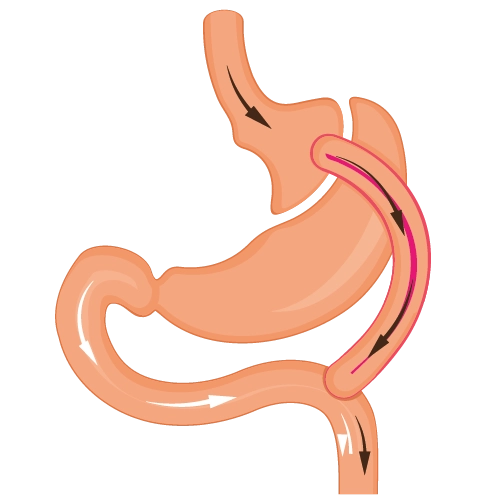
Gastric Bypass, medically known as Roux-en-Y Gastric Bypass, is a surgical procedure that involves the restructuring of both the stomach and small intestine. This intricate process creates a smaller stomach pouch and reroutes a segment of the small intestine. The dual mechanism of restriction and malabsorption is key to its success in promoting weight loss.
Do I need an obesity treatment?
** These values are general estimates and can vary for each individual. Factors such as the type of operation, the patient’s health, and the complexity of the surgery can influence these times. Precise information and instructions will be provided by our doctors based on your specific situation.
Key Components of Gastric Bypass Surgery
Creation of a Small Stomach Pouch
The surgery begins by dividing the stomach into a smaller upper pouch, restricting the amount of food it can hold. This ensures that individuals feel satisfied with smaller portions, promoting reduced calorie intake.
Rerouting the Small Intestine
The small intestine is then rerouted and connected to the newly created stomach pouch. This not only limits the absorption of calories but also alters the digestion process, contributing to weight loss.
Dual Mechanism for Weight Loss
Gastric Bypass combines both restriction and malabsorption, providing a comprehensive approach to weight loss. By curbing food intake and modifying nutrient absorption, it maximizes the potential for sustained and significant weight reduction.
Gastric Bypass surgery is not merely a physical transformation but a holistic approach to wellness. It empowers individuals to take control of their health, break free from the challenges of obesity, and embark on a journey toward a healthier, more fulfilling life. This surgery serves as a tool for profound change, offering individuals the opportunity to achieve lasting weight loss and improved overall well-being.
Explore more of the operation
1. Mechanism of Action
Gastric Bypass operates through a dual mechanism—restriction and malabsorption. The restriction comes from the creation of a smaller stomach pouch, limiting food intake. Simultaneously, malabsorption is introduced by rerouting a portion of the small intestine, reducing nutrient absorption. This synergistic approach enhances weight loss outcomes.
2. Long-Term Effects
Gastric Bypass is known for its potential to provide lasting weight loss results. Many individuals experience significant weight reduction and improvements in obesity-related health conditions. However, long-term success is closely tied to adopting and maintaining healthy lifestyle habits, including a balanced diet and regular exercise.
3. Nutritional Considerations
Post-Gastric Bypass, there is an increased emphasis on nutritional considerations. The altered digestive process may impact nutrient absorption, making it essential for patients to follow a nutrient-dense diet. Regular monitoring of nutritional levels and potential supplementation may be recommended to prevent deficiencies.
4. Lifestyle Changes
Successful outcomes with Gastric Bypass often involve significant lifestyle changes. Patients are encouraged to adopt healthier eating habits, prioritize physical activity, and develop a positive relationship with food. Behavioral changes play a crucial role in sustaining weight loss and overall well-being.
5. Follow-Up Care
Postoperative care and follow-up appointments are integral to the success of Gastric Bypass. Regular check-ups with healthcare professionals, including dietitians and surgeons, help monitor progress, address concerns, and provide ongoing support. Customized guidance ensures that patients are on the right track for long-term success.
6. Psychological Impact
The psychological impact of Gastric Bypass extends beyond physical changes. Many individuals experience improvements in mental health, self-esteem, and body image. However, some may face emotional challenges during the adjustment period. Psychological support, including counseling, can be beneficial for addressing these aspects of the journey.
Note: Each patient’s experience with Gastric Bypass is unique. Personalized guidance from healthcare professionals and adherence to postoperative recommendations contribute significantly to successful outcomes. It’s important for individuals considering or undergoing this procedure to have open communication with their healthcare team to address specific concerns and receive tailored advice.
F.A.Q About GASTRIC BYPASS
Yes, Gastric Bypass is generally a safe surgical procedure. However, as with any surgical intervention, consideration should be given to the individual's health condition and surgical history. Preoperative assessment and appropriate candidate selection are key to a safe operation.
Gastric Bypass surgery can help treat a range of medical conditions associated with obesity. These may include Type 2 diabetes, hypertension, high cholesterol, sleep apnea, joint pain, and fatty liver disease.
Weight loss after Gastric Bypass can vary from individual to individual. Typically, rapid weight loss begins within the first few months post-surgery and reaches its peak in the first one to two years. The weight loss process is unique to each individual.
Like any surgical procedure, complications may arise after Gastric Bypass. These could include infection, bleeding, nutritional deficiencies, and rarely, anastomotic leakage. However, most of these complications can be prevented or treated with proper follow-up and management.
Gastric Bypass surgery typically uses a laparoscopic technique, resulting in minimal scarring. As small incisions are made during the procedure, visible scars are generally minimal.
Postoperative pain management is typically achieved with pain relievers, anti-inflammatory medications, and other methods. The intensity of postoperative pain can vary from person to person, so pain management requires a personalized approach.
The postoperative diet after Gastric Bypass begins gradually. It starts with liquids, progresses to purees, and then slowly reintroduces solid foods. The diet is carefully planned to increase nutrient intake and meet nutritional requirements.
Long-term effects of Gastric Bypass may include sustained weight loss, improvement or resolution of obesity-related medical conditions, overall health enhancements, and an increase in quality of life.
Candidates for Gastric Bypass are often offered preoperative and postoperative support services. This may include dietitian counseling, psychological support, exercise programs, and postoperative follow-up.
Lifestyle changes after Gastric Bypass may include adopting healthy eating habits, maintaining regular physical activity, paying attention to fluid intake, and adhering to doctor recommendations. These changes are crucial for successful long-term outcomes.