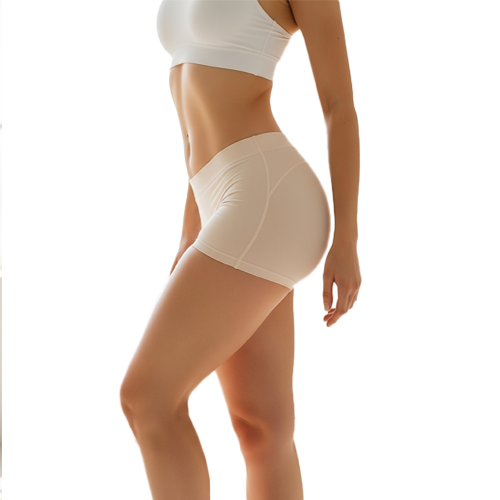
Post-Bariatric Surgery
Request A Free Consultation Or Callback
Fill out the form below, and we will be in touch shortly. Our representatives will answer you only in English.
What is Post-Bariatric Surgery?
Who Is It Suitable For?
?
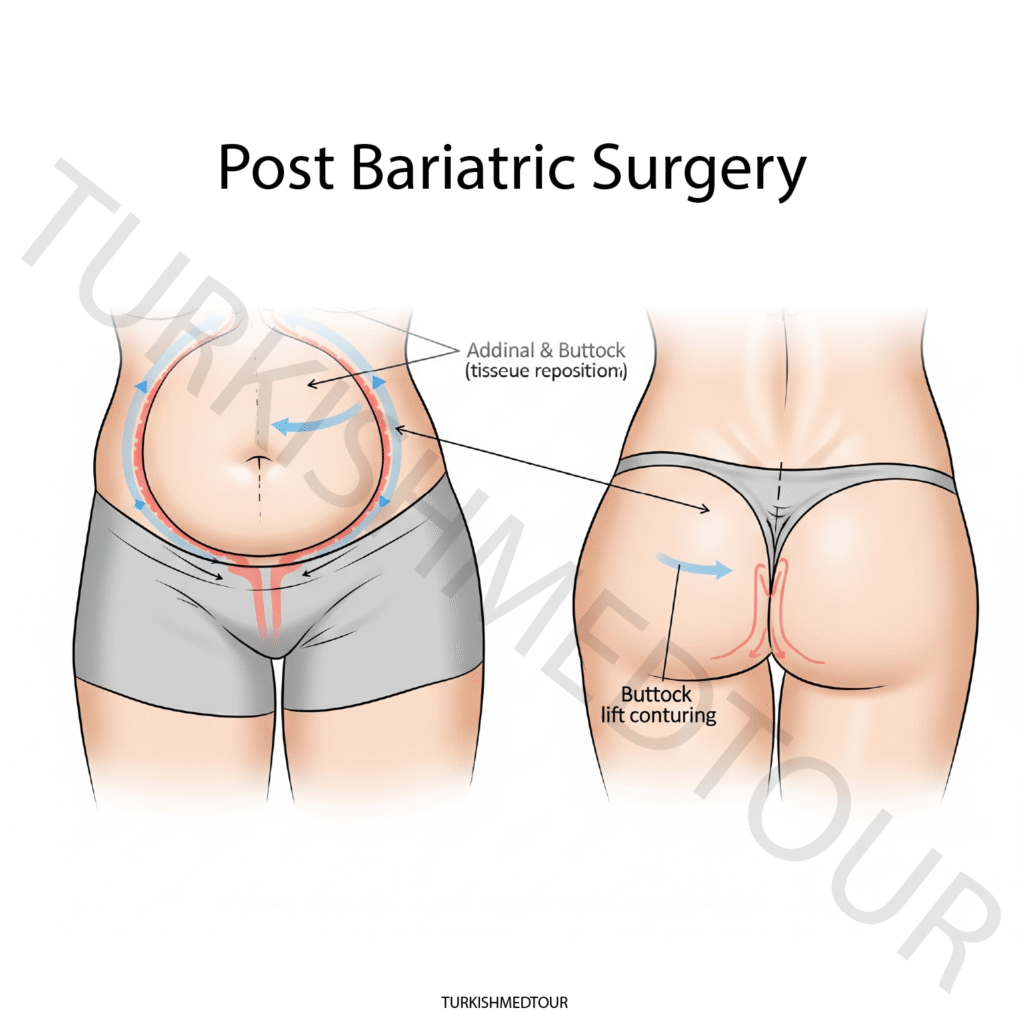
In this crucial step of your weight loss journey, these are comprehensive aesthetic operations designed to permanently eliminate sagging skin and excess skin from your body.
- Individuals whose weight has stabilized (at least 6-12 months) after bariatric surgery.
- Those who have adopted a healthy lifestyle and have realistic expectations.
- Individuals whose general health condition is suitable for surgery (under doctor’s supervision).
- Non-smokers or those committed to quitting before surgery.
Benefits of Post Bariatric Surgery
1. Significant Improvement in Aesthetic Appearance
By removing sagging skin and excess fatty tissue from the abdominal area, a flatter, tighter, and more aesthetic abdominal contour is achieved. Deformities resulting from pregnancies or significant weight loss are largely corrected. This allows clothes to fit better and your body lines to become more defined.
2. Abdominal Muscle Repair (Correction of Diastasis Recti)
Often, after pregnancy or significant weight gain, the abdominal muscles (rectus abdominis) separate from the midline, leading to a condition called “diastasis recti.” During abdominoplasty, these muscles are repaired, which strengthens the abdominal wall. This not only creates a flatter abdomen but also balances intra-abdominal pressure, providing some functional improvements.
3. Functional Relief and Hygiene
Large amounts of excess skin, especially in the lower abdominal area, can lead to friction, irritation, rashes, and fungal infections. The removal of these skin folds eliminates hygiene issues and increases daily life comfort.
4. Potential Impact on Posture and Back Pain
Strengthening of the abdominal muscles and reduction of abdominal weight can lead to improved posture. In some cases, this can also help alleviate back pain, particularly that caused by weakened abdominal muscles.
5. Improved Clothing Comfort and Increased Self-Confidence
A flatter and firmer abdomen allows clothes to fit much better. This significantly contributes to individuals feeling more attractive, younger, and self-confident. It provides motivation to be more active in social and physical activities.
6. Long-Lasting Results
As long as a healthy lifestyle is maintained and weight remains stable, the results achieved with abdominoplasty are long-lasting and permanent. This offers individuals long-term satisfaction and a sense of well-being.
Frequently Asked Questions About POST-Bariatric Surgery
Yes, a permanent scar will remain after abdominoplasty. However, this scar is typically placed below the bikini or underwear line to keep it as concealed as possible. The appearance of scars improves over time, becoming less noticeable.
It is normal to experience pain and discomfort after surgery. However, this pain is effectively controlled with modern pain medication prescribed by your doctor. While it might be more intense during the first few days, your comfort will be ensured with regular medication.
While it varies based on the physical demands of your job, you can generally return to desk-based work within 2 to 4 weeks. For jobs requiring more strenuous physical activity, you may need your doctor's approval and a longer waiting period. You should avoid strenuous movements, other than light walking, in the first few weeks.
The results of abdominoplasty are permanent if your weight remains within a stable and healthy range. However, significant weight gain or new pregnancies after surgery can negatively impact the flat and firm appearance achieved. Therefore, maintaining a healthy lifestyle is crucial.
It is recommended to stay in Turkey for at least 10-14 days after your surgery for your initial check-ups and monitoring of the early recovery process. Long flights, especially in the first few weeks, can increase the risk of blood clots, so you should not travel without your doctor's "fit to fly" approval.
Yes, swelling and bruising are expected after surgery. These typically peak within the first few weeks and gradually subside over time. Regularly wearing the compression garments recommended by your doctor will help reduce swelling more quickly.
Your Dream Look is Just One Step Away!
- Reshaped Body: A younger, fitter, and more proportionate silhouette.
- Boosted Self-Confidence: Freedom in clothing choices, more active role in social life.
- Health and Hygiene: Say goodbye to issues like rashes and infections.
- Comfortable Living: Get rid of movement restrictions, comfort in your daily activities.
Detailed Evaluation
Online consultations and medical history assessment before coming to Turkey.
Personalized Plan: Creation of a tailor-made treatment plan with our experienced surgeons.
Travel Arrangements: Support throughout the process, from airport pickup to accommodation.
Operation Duration: Can take 4 to 8+ hours depending on the procedures. Multiple areas are usually done in separate sessions.
Duration of Stay in Turkey (Travel Suitability): For safe recovery and follow-up, it is recommended to stay in Turkey for at least 10-14 days after surgery.
This period is crucial for initial check-ups, drain removal, and managing any potential early complications. You will need to obtain “Fit to Fly” approval from your doctor for long flights.
Post-Operative Recovery
Hospital Care: Generally 1-3 days of professional hospital care.
Pain Control: Your pain will be effectively managed with medication.
Compression Garments: Special garments to reduce swelling and support your new contours.
Wound Care: Detailed instructions to minimize infection risk.
Light Activities: Light walks in the early period as guided by your doctor.
Full Recovery and Final Appearance: It may take several months for swelling to fully subside and the skin to settle. Final and best results usually become apparent after 6-12 months. Results are long-lasting when a healthy lifestyle is maintained.
Risks of Abdominoplasty
As with any surgical procedure, post-bariatric surgery also carries certain risks such as infection, bleeding, and wound healing problems. Your surgeon will inform you transparently about all details.
GENERAL SURGICAL RISKS
– Infection:Inflammation that may occur at the incision site or in the surgical area.
– Bleeding / Hematoma: Accumulation of blood (hematoma) or excessive blood loss in the surgical area.
– Seroma: Accumulation of fluid (serous fluid) in the surgical area, which may require drainage.
– Anesthesia Complications: Rare but serious risks associated with anesthesia (heart problems, respiratory difficulties, drug reactions).
– Thromboembolism (Blood Clot): Formation of blood clots in the legs (deep vein thrombosis – DVT) or lungs (pulmonary embolism). Preventive measures are taken to reduce these risks.
POST BARIATRIC SURGERY SPECIFIC RISKS
– Wound Healing Issues: Slow wound healing, wound dehiscence (separation), or prominent scarring due to the extensive nature of the procedures.
– Sensory Changes: Temporary or permanent numbness, loss of sensation, or increased sensitivity in the operated areas.
– Asymmetry: Slight disproportions or differences in shape between operated areas after surgery.
– Skin Necrosis: Rarely, the death of skin tissue due to insufficient blood supply, which may require further intervention.
– Need for Revision: Requirement for additional surgery to achieve the desired aesthetic outcome or to correct potential complications.
– Ongoing Weight Fluctuations: Significant weight gain or loss after surgery can affect the results obtained.