


Liposuction
Request A Free Consultation Or Callback
Fill out the form below, and we will be in touch shortly. Our representatives will answer you only in English.
What is Liposuction, and How is it Performed?
?
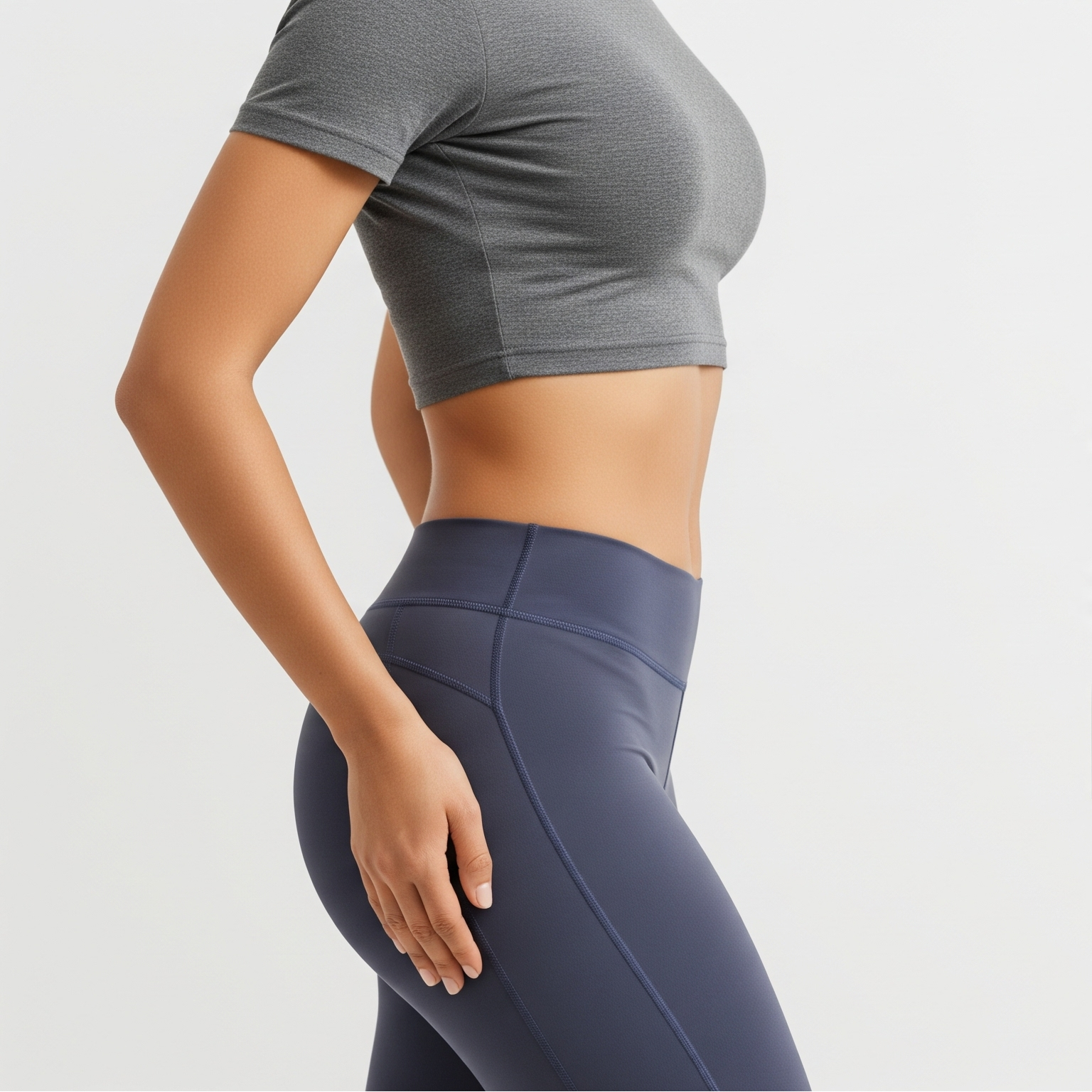
Liposuction is a surgical procedure designed to remove stubborn fat deposits from specific areas of the body that haven’t responded to diet and exercise. It’s an effective way to recontour your body, creating a smoother and more proportionate silhouette. This procedure isn’t a weight-loss solution but rather a body sculpting technique for localized fat.
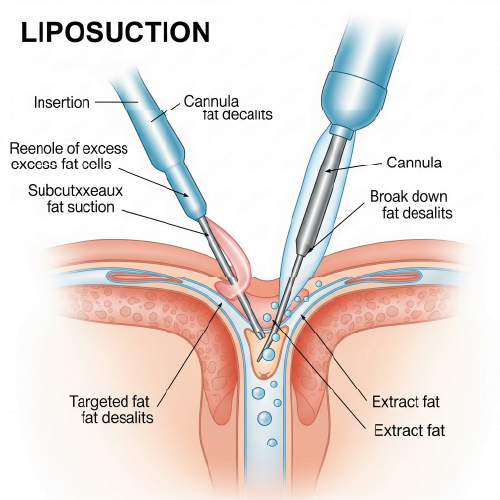
During liposuction, a surgeon makes small, discreet incisions in the target area. A thin, hollow tube called a cannula is then inserted through these incisions. The cannula is moved back and forth to loosen the excess fat cells, which are then suctioned out of the body using a medical vacuum pump or a syringe.
Modern liposuction often involves injecting a tumescent solution (a mixture of saline, lidocaine for numbing, and epinephrine to reduce bleeding) into the fatty tissue before fat removal. This technique makes the fat easier to remove, minimizes blood loss, and enhances patient comfort. Depending on the specific technique, additional technologies like ultrasound (Vaser liposuction) or laser energy (laser liposuction) may be used to liquefy fat cells before suctioning, potentially leading to smoother results and enhanced skin tightening.
Benefits of Liposuction
Liposuction offers significant aesthetic improvements and can enhance your quality of life:
Targeted Fat Reduction: It effectively removes stubborn fat pockets that are resistant to diet and exercise, such as those on the abdomen, flanks, thighs, arms, and neck.
Improved Body Contours: By removing unwanted fat, liposuction can sculpt and refine your body’s shape, leading to a more streamlined and aesthetically pleasing figure.
Enhanced Clothing Fit: With reduced bulges and a more proportionate physique, your clothes will fit better and look more flattering.
Increased Self-Confidence: Achieving your desired body contours can significantly boost your self-esteem and comfort in various social situations.
Long-Lasting Results: Once fat cells are removed, they don’t grow back. As long as you maintain a stable weight, the results of liposuction are generally long-lasting.
Frequently Asked Questions About Liposuction
Considering liposuction? It’s natural to have questions about the procedure, recovery, and results. Here are some of the most common questions people ask about liposuction:
Liposuction is best suited for individuals who are at or near their ideal body weight but have localized pockets of fat that haven't responded to diet and exercise. You should be in good general health, have good skin elasticity, and have realistic expectations about the results. It's not a solution for obesity or a substitute for weight loss.
Liposuction can effectively treat various areas where stubborn fat tends to accumulate. Common treatment areas include the abdomen, flanks (love handles), thighs (inner and outer), buttocks, arms, back, chin, neck, and male breasts (gynecomastia).
While significant amounts of fat can be removed, liposuction is primarily for body contouring, not massive weight loss. There are safety limits to the amount of fat that can be removed in a single session to minimize risks. Your surgeon will discuss a safe and effective volume based on your individual needs.
Recovery varies depending on the extent of the procedure and the areas treated. You'll likely experience swelling, bruising, and some discomfort in the treated areas. A compression garment will need to be worn for several weeks to help reduce swelling and support your new contours. Most patients can return to light daily activities within a few days to a week, but strenuous exercise should be avoided for several weeks.
Yes, the results of liposuction are generally permanent because the fat cells are physically removed from the body. Once removed, those specific fat cells cannot grow back. However, it's crucial to maintain a stable weight after the procedure. If you gain a significant amount of weight, the remaining fat cells in treated and untreated areas can still expand.
Liposuction primarily removes fat, not excess skin. While some techniques, like laser liposuction, might offer a degree of skin tightening due to heat stimulation, it's generally not effective for significant skin laxity. If you have substantial loose or sagging skin, your surgeon might recommend a combined procedure like a tummy tuck (abdominoplasty) or a body lift in addition to or instead of liposuction.
Like any surgical procedure, liposuction carries risks, though they are generally rare. These can include infection, bleeding, seroma (fluid accumulation), contour irregularities, temporary numbness, skin discoloration, and risks associated with anesthesia. Choosing an experienced and board-certified surgeon significantly minimizes these risks.
Your Tailored Liposuction Options
Every individual’s body structure and expectations are unique. Therefore, liposuction surgery is planned on a personalized basis. We conduct a comprehensive evaluation to determine the most suitable option for your needs. Here are the main types of liposuction:
1. . Traditional Liposuction
This is the most common type of liposuction, ideal for individuals with localized fat deposits in various body areas. In this procedure:
A small incision is made near the target area.
A sterile solution (tumescent fluid) is injected to numb the area, minimize bleeding, and make fat removal easier.
A thin, hollow tube (cannula) is inserted through the incision to loosen and suction out fat deposits using a vacuum pump or syringe.
Who is it suitable for? Traditional liposuction is an effective solution for individuals looking to remove stubborn fat from areas like the abdomen, flanks, thighs, arms, or neck, and who are generally at or near their ideal body weight.
2. Tumescent Liposuction
Tumescent liposuction is a widely used and refined technique of traditional liposuction, known for its safety and effectiveness. In this procedure:
A larger volume of tumescent fluid (a saline solution mixed with lidocaine and epinephrine) is injected into the fatty tissue before fat removal.
This solution numbs the area, constricts blood vessels to reduce bleeding, and swells the fat, making it easier to extract.
A cannula is then used to suction out the fat.
Who is it suitable for? Tumescent liposuction is an excellent option for most individuals seeking fat reduction, as it allows for precise fat removal with less blood loss and generally quicker recovery compared to older methods.
3. Vaser Liposuction (Ultrasound-Assisted Liposuction)
Vaser liposuction utilizes ultrasound technology to selectively break down fat cells before removal, offering a gentler approach to fat reduction. In this procedure:
Tumescent fluid is injected into the target area.
A small probe emits high-frequency ultrasound waves to emulsify (liquefy) fat cells, while sparing surrounding tissues like nerves and blood vessels.
The liquefied fat is then gently suctioned out using a specialized cannula.
Who is it suitable for? Vaser liposuction is particularly suitable for individuals looking for more precise body contouring, those seeking to treat fibrous or dense fat areas, and those who desire skin retraction in addition to fat removal.
4. Laser Liposuction (Laser-Assisted Lipolysis)
Laser liposuction uses laser energy to melt fat cells, making them easier to remove and potentially promoting skin tightening. In this procedure:
A small fiber optic cable is inserted through tiny incisions.
Laser energy is delivered to the fat cells, heating and liquefying them.
The liquefied fat is then gently suctioned out, or in some cases, allowed to be naturally absorbed by the body for smaller fat deposits. The heat from the laser can also stimulate collagen production, leading to skin tightening.
surrounding tissues like nerves and blood vessels.
The liquefied fat is then gently suctioned out using a specialized cannula.
Who is it suitable for? Vaser liposuction is particularly suitable for individuals looking for more precise body contouring, those seeking to treat fibrous or dense fat areas, and those who desire skin retraction in addition to fat removal.
Risks of Liposuction
Like all surgical procedures, liposuction carries some potential risks. Although these risks are rare, they should be discussed in detail with your doctor before the operation:
Infection: As with any surgical procedure, there’s a risk of infection. This can be treated with antibiotics.
Bleeding and Hematoma: Post-operative bleeding or a collection of blood under the skin (hematoma) can occur. This may require additional intervention.
Seroma: A collection of fluid under the skin (seroma) can develop. This fluid may need to be drained.
Poor Wound Healing: Rarely, wound healing problems or raised scars like keloids can occur.
Sensory Changes: Temporary or permanent numbness or changes in sensation in the treated area may be experienced.
Contour Irregularities: Uneven fat removal can lead to wavy or bumpy skin.
Skin Discoloration: Pigmentation changes may occur in the treated areas.
Fluid Imbalance: Issues with fluid shifts during and after the procedure can occur, though rare.
Anesthesia Risks: General anesthesia carries risks such as allergic reactions or breathing problems.
To minimize these risks, it’s crucial to have the surgery performed by an experienced and competent surgeon in a modern and sterile environment. Additionally, you must meticulously follow your doctor’s pre- and post-operative instructions.